On October 19, 2026, Nova Scotia’s new Traffic Safety Act comes into force. It replaces the Motor Vehicle Act, which dates back to the 1920s, with rules written for today’s roads: more cyclists, e-bikes, rideshares and modern in-car technology.
Whether you’re a brand-new learner, preparing for your road test, or have been driving for decades, these are the changes worth knowing.
Protecting Vulnerable Road Users
The Act introduces the term vulnerable road user. It covers pedestrians, cyclists, motorcyclists, people operating farm equipment, roadside workers, emergency responders, and stopped recovery and service vehicles such as tow trucks.
- Fines are doubled when an offence impacts a vulnerable road user.
- Injuring or killing a vulnerable road user is treated as an aggravating factor.
- Courts can order a licence suspension of up to one year.
What it means for you: slow down and give extra room around people on foot, on bikes, and at the roadside, especially workers and emergency crews.
Passing Cyclists: At Least 1 Metre
- Drivers must leave at least 1 metre when passing a bicycle, and this applies even when the cyclist is in an unprotected bike lane.
- You can’t pass a cyclist and then turn right in front of them while they’re coming up behind you.
- Children under 14 may ride their bikes on the sidewalk.
- Cyclists must generally walk their bike through crosswalks (with an exception for people with a physical disability).
”Dooring” Is Now an Offence
Opening your car door into traffic is now clearly an offence, and it applies to any oncoming traffic, not just bicycles. The province’s advice is simple: stop, look, open, close. Check your mirror and over your shoulder before opening; opening with the hand farthest from the door (the “Dutch reach”) turns your body so the shoulder check happens naturally.
Child Car Seats and Boosters
Nova Scotia becomes the first province or territory to put age-based minimums for child restraints into law. Your child moves through three stages:
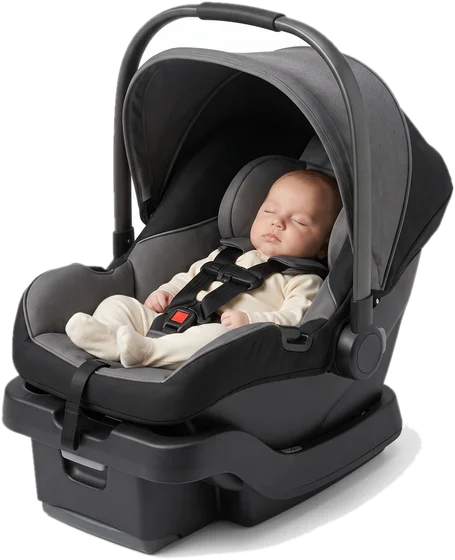

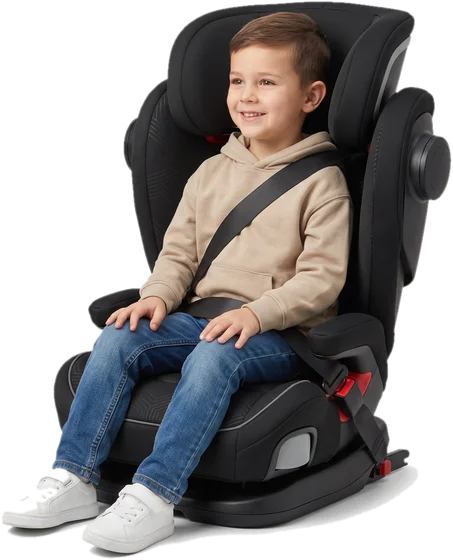
The exact rules:
| Seat type | Who must use it |
|---|---|
| Rear-facing | Children under 2 years old, or weighing less than 10 kg (22 lb) |
| Forward-facing | Children at least 2 years old and at least 10 kg, who are under 4, or 4 or older but under 18 kg |
| Booster seat | Children aged 4 to under 9, at least 18 kg, and shorter than 145 cm |
Children under 9 or weighing less than 18 kg also can’t ride as motorcycle passengers.
School Buses
Traffic in both directions must stop for a school bus with its red lights flashing. The rule is now clear about the one exception: you don’t need to stop if the bus is on the opposite side of a divided highway.
E-Bikes
- Riders of power-assisted bicycles must be at least 14 years old.
- The maximum assisted speed rises from 30 to 32 km/h.
Seatbelts in Taxis and Rideshares
Taxi and rideshare drivers are no longer exempt from wearing a seatbelt.
Parking Changes
- When parking beside a curb, you may now be up to 30 cm away (previously 15 cm).
- Parking in front of a community mailbox is a new offence.
Speed Limits Set by Municipalities
Municipalities can now set speed limits of 80 km/h or less on their own roads, including below 50 km/h, without needing provincial approval. Expect to see lower limits on some residential and downtown streets, and always obey the posted sign.
Distracted Driving
The Act updates the definition of distracted driving to reflect modern technology. The simplest rule still applies: keep your hands on the wheel and your eyes on the road, and set up your phone or GPS before you start driving.
What This Means for New Drivers
If you’re working toward your licence, these rules are part of driving safely in Nova Scotia from October 19 onward, and habits like checking for cyclists before opening a door or turning right will make you a safer, more confident driver on test day and after.
At Grow Driving School, our Full Driving Program and Road Test Preparation help new drivers build those habits from day one. Already licensed and want a refresher? Our Defensive Driving Program is a great way to brush up. Have a question about the new rules? Contact us. We’re happy to help.
This article is a plain-language summary to help drivers prepare, not legal advice. For the full and official details, see the Government of Nova Scotia’s Changes to traffic safety legislation page.